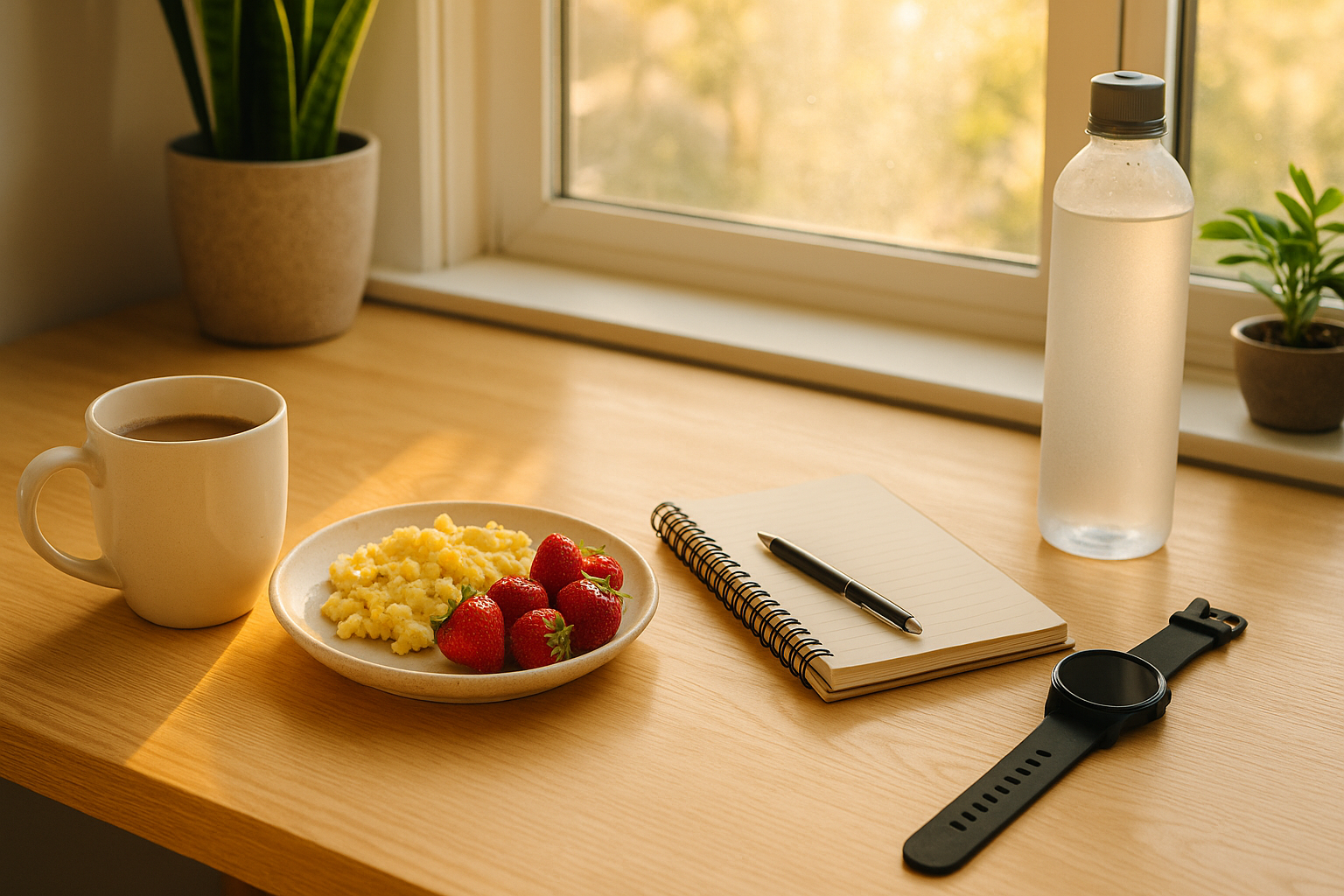



Upgrade your mornings with Morning Routines in 2026 That Boost Your Energy All Day. Use a simple 6-step framework (wake, light, move, breathe, fuel, focus) plus 20/40/60-min plans, tech tips, and habit strategies that actually stick.
Mornings set the tone for everything that follows. In 2026, we juggle hybrid work, AI tools, and always-on screens—great for speed, not always great for steady energy. The good news: small, science-backed steps early in the day create momentum that lasts. This guide shows you exactly how to build Morning Routines in 2026 That Boost Your Energy All Day using one simple framework, customizable plans, and easy tech that helps rather than distracts.
Why Mornings Matter in 2026 (Science + Lifestyle)
Circadian rhythm 101: light, movement, fuel
Your body clock expects three early signals: light to set timing, movement to raise body temperature, and fuel (plus water) to stabilize energy. When these arrive consistently, alertness rises sooner and afternoon slumps shrink.
Hybrid work, AI alarms, and screen-first habits
We wake up to phones, notifications, and news. That fast input hits dopamine, but it rarely builds calm focus. Replace chaotic checking with a short, predictable routine you can finish in 20–60 minutes. Consistency beats complexity.
The 6-Part Energy Framework (Simple, Repeatable)
1) Wake: consistent timing + gentle AI alarm
Pick a wake window (e.g., 6:30–6:50). Use a sunrise alarm or wearable’s smart alarm to surface you in light sleep. Consistency anchors the rest of your day.
2) Light: sunlight or bright lamp within 30 minutes
Step outside for 5–10 minutes of morning light. Cloudy? Stand by a window or use a 10,000-lux lamp for 10–15 minutes. Early light boosts alertness and makes evening sleep come easier.
3) Move: 5–12 minute micro-workout or walk
You don’t need a full workout. Try 2 rounds of: 20 bodyweight squats, 10 pushups (or wall pushups), 30-second plank, then a 5-minute walk. Movement raises temperature and switches the brain into “go” mode.
4) Breathe: 60–120 seconds of slow nasal breathing
Sit tall. Inhale 4–5 sec, exhale 5–6 sec for 10–20 cycles. This calms stress chemistry and steadies attention for the day’s first deep-work block.
5) Fuel: protein-forward breakfast + hydration
Hydrate with 350–500 ml water (pinch of salt or electrolytes if you like). Aim for 25–35 g protein within 2 hours of waking (eggs, yogurt, tofu, protein shake). Pair with fiber (berries, oats) and healthy fats (nuts). This stabilizes glucose and prevents 10 a.m. crashes.
6) Focus: 10-minute day setup (Top 3 + calendar)
Open your planner or notes app. Pick your Daily Top 3, timebox one 50-minute focus block, confirm meetings, and set your first “start here” task. That micro-plan erases decision fatigue.
Build Your 20-, 40-, and 60-Minute Morning Routines (Mix & Match)
20-Minute “Busy Day” Flow
- 0:00 Wake + open blinds
- 0:02 Water + step outside (5 min light walk)
- 0:07 2-minute breathing
- 0:09 Micro-workout: squats/pushups/plank (6–8 min)
- 0:17 Top 3 + calendar check (3 min)
40-Minute Balanced Flow
- Wake + sunrise lamp (5)
- Outside light + brisk walk (10)
- Mobility + core circuit (10)
- Protein shake + berries (10)
- Top 3 + inbox scan for 2-min actions only (5)
60-Minute Deep-Recharge Flow
- Wake + hydrate (5)
- Light walk + gratitude scan (10)
- Strength or yoga session (20)
- Cold-to-warm shower (2–3)
- Protein breakfast + journal (15)
- Top 3 + first 10 minutes of your hardest task (10)
Habit Design for Mornings That Stick
Cue–Routine–Reward with environment presets
- Cue: place shoes, water bottle, journal by the door at night.
- Routine: follow your chosen 20/40/60 flow.
- Reward: coffee or favorite playlist after the routine—attach pleasure to completion.
The “two-minute start” and identity statements
Tell yourself: “I’m the kind of person who starts the day with light, movement, and a plan.” When motivation is low, do two minutes of the routine (stand outside + 10 squats). Starting small keeps streaks alive.
Energy Levers Most People Miss in 2026
Light exposure timing, temperature, and hydration
Morning light + a slight cool room helps alertness. A warm shower after movement relaxes muscles and keeps you steady.
Caffeine strategy: delay 60–90 minutes
Let natural cortisol wake you first, then sip coffee/tea. Delaying caffeine reduces afternoon energy dips.
Screens, doomscrolling, and notification fasting
Use a Focus Mode until your routine is done. Keep the home screen clean and park social apps on a later screen to reduce reflex checks.
Smart Tech for Better Mornings (2026 Edition)
Wearables, sunrise lamps, smart kettles, AI scheduling
- Wearables: track sleep/wake consistency and nudge you out of deep sleep.
- Sunrise lamps: gradual light to avoid startle alarms.
- Smart kettles: boil on schedule so tea/coffee is ready after your routine.
- AI calendar: auto-suggests your first focus block and reminds you of the Top 3 you picked.
Guardrails: privacy, gentle nudges, minimal taps
Choose tools you can run with one or two taps. Turn off nonessential data sharing and avoid over-tracking, which can add stress.
Sample Routines for Different Goals
Fatigue Recovery (Shift Workers, New Parents)
- Wake window rather than exact time (±20 min)
- 5 minutes cool fresh air by a window
- Gentle mobility (hips, neck, back) 8 minutes
- Small protein + fruit snack, hydrate
- 5-minute plan: Only one meaningful task today
Focus-First Creators & Knowledge Workers
- Outside light + 8-minute walk
- 2-minute breathing + journal 3 bullets
- Protein breakfast; caffeine after 60 minutes
- Start with 10 minutes on your hardest task
- Notifications off until that first block is done
Fitness-Forward Mornings
- Light + dynamic warm-up
- 20–30 minute strength or intervals
- Protein + carbs within 45 minutes
- Quick cold rinse and 5-minute plan
- Afternoon: short walk to keep energy steady
Troubleshooting: Travel, Winter, and Bad Sleep
- Hotel routine: open curtains immediately, stand by the window, do a hallway walk, bodyweight circuit, and a simple protein breakfast (eggs, yogurt, or shake).
- Winter light hacks: use a bright 10,000-lux lamp for 10–15 minutes while journaling; add an evening dim-down (warm lights, screens low).
- After a bad night: shorten to a 10–15 minute mini-routine, skip intense training, and protect bedtime tonight.
FAQs: Morning Routines in 2026 That Boost Your Energy All Day
1) What’s the minimum effective routine?
Five steps in ~12 minutes: light, water, 5-minute walk, 2-minute breathing, Top 3 plan.
2) Should I work out or eat first?
Light + a few minutes of movement first. If doing a longer workout, a small protein snack may help; big breakfasts can wait.
3) How do I stop checking my phone right away?
Use a Focus Mode that allows only alarms and family. Keep socials off the first screen and don’t unlock until your Top 3 is set.
4) Is coffee bad in the morning?
No—just delay 60–90 minutes for smoother energy. Pair with water.
5) What if I’m not a breakfast person?
Hydrate, get light, then consider a protein shake within two hours to stabilize energy.
6) Can I do evenings instead?
Evenings are great for prep: lay out clothes, set the lamp, preload your kettle, and write tomorrow’s Top 3 so mornings start friction-free.
7) How long until I feel results?
Most people feel steadier by day 3–5 and much better by week 2 if they keep light, movement, and planning consistent.
8) Which wearables are best?
Pick the one you’ll actually wear. Look for smart alarm, sleep consistency, and simple morning reminders.
Conclusion
Energy-rich days start with short, consistent signals: wake on time, get light, move a little, breathe, fuel wisely, and plan your first block. The 6-Part Energy Framework turns busy mornings into a calm launchpad, and the 20/40/60-minute menus make it flexible. Start tomorrow with the 20-minute flow and protect your first focus block—you’ll feel the difference this week.
- Sleep Foundation — Morning Routine Science
- CDC — Sleep & Energy
- Huberman Lab — Morning Light & Cortisol Research
- James Clear — Morning Routine Strategies
- Healthline — Healthy Morning Routine
- NYTimes — Morning Routines Guide
- PubMed — Circadian Rhythm Research
- MindBodyGreen — Morning Routine Steps
- APA — Stress & Energy Tips
- Mayo Clinic — Morning Stress Relief
All Rights Reserved © 2026