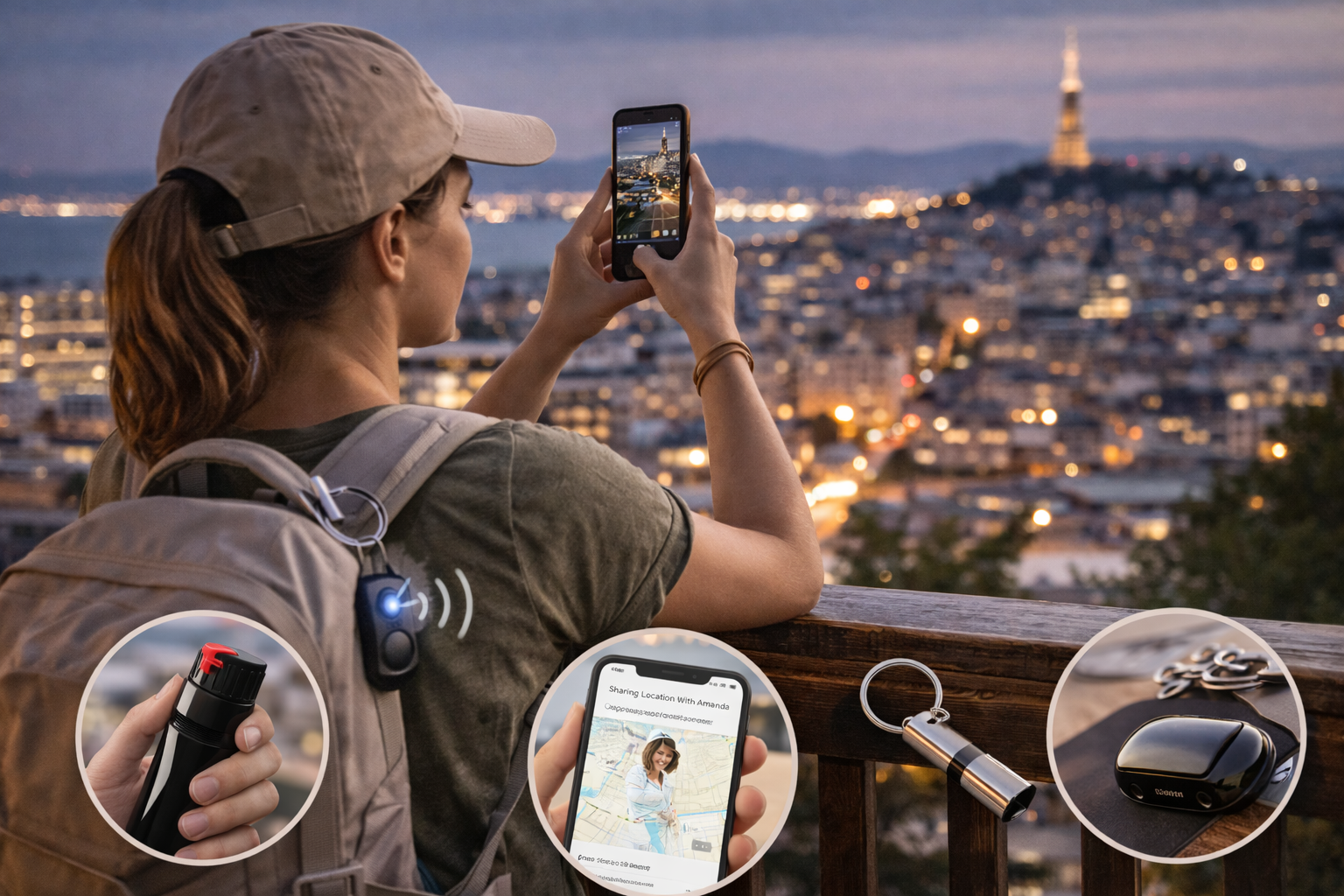



Practical solo travel safety tips that actually matter in real life—how to stay safe, calm, and confident while traveling alone without paranoia or unnecessary restrictions.
Solo travel is often described in extremes.
On one side:
“Traveling alone is dangerous.”
On the other:
“Don’t worry about anything—just be fearless.”
Both are wrong.
The truth is more grounded:
Solo travel is safe when you manage risk intentionally, not when you ignore it or obsess over it.
This guide focuses on solo travel safety tips that actually matter—the habits, decisions, and mindset shifts experienced travelers rely on every day, not generic advice that sounds good but doesn’t help when it counts.
🧠 Why Most Solo Travel Safety Advice Misses the Point
Many safety articles focus on:
- Worst-case scenarios
- Rare crimes
- Fear-based warnings
This creates anxiety—not preparedness.
Effective solo travel safety tips do the opposite:
- Reduce exposure to common risks
- Improve decision-making
- Increase confidence
Safety isn’t about avoiding the world.
It’s about moving through it with awareness.
⚠️ The Real Risks of Solo Travel
Most solo travelers don’t face dramatic danger.
The most common risks are:
- Petty theft
- Scams
- Poor transportation decisions
- Health issues
- Getting into unfamiliar situations too fast
Violent crime against travelers is statistically rare compared to:
- Traffic accidents
- Alcohol-related incidents
- Medical emergencies
Your safety strategy should reflect real probability, not fear headlines.
👀 Situational Awareness Over Fear
The single most important solo travel safety skill is situational awareness.
That means:
- Knowing where you are
- Knowing what’s normal in that context
- Not being mentally distracted
Practical habits:
- Keep your phone use minimal in busy areas
- Pause and observe before entering new spaces
- Trust discomfort without panicking
Awareness prevents problems before they start.
🏠 Accommodation Safety That Actually Matters
Where you stay matters more than most other choices.
Choose Locations, Not Just Prices
Prioritize:
- Walkable neighborhoods
- Good lighting
- Easy transport access
Saving a few dollars isn’t worth feeling isolated or unsafe at night.
Check the Basics
Simple checks make a big difference:
- Working locks
- Solid doors
- Secure windows
- 24/7 access or staff presence
Most safety issues happen inside accommodations, not outside.
🚕 Transportation & Movement Safety
Arrive During Daylight When Possible
First impressions matter.
Arriving during the day helps you:
- Orient yourself
- Avoid rushed decisions
- Spot red flags early
Use Reputable Transport
Prioritize:
- Official taxis or rideshare apps
- Public transport with clear routes
- Hotel-arranged transfers when arriving late
Avoid “helpful strangers” offering rides—this is a common scam pattern worldwide.
🧍 Personal Behavior That Reduces Risk
Many effective solo travel safety tips are behavioral, not logistical.
Don’t Advertise That You’re Alone
You don’t need to lie—just don’t emphasize it.
Simple tactics:
- Say “we” casually
- Avoid posting real-time locations publicly
- Act like you know where you’re going (even if you don’t)
Confidence reduces targeting.
Limit Alcohol in Unfamiliar Places
Alcohol:
- Lowers awareness
- Impairs judgment
- Increases vulnerability
Enjoy local nightlife—but know your limits, especially alone.
🔐 Digital & Financial Safety Basics
Separate Your Essentials
Never keep:
- All cash
- All cards
- Passport and phone
In one place.
Use:
- Backup cards
- Digital copies
- Cloud storage
This turns a problem into an inconvenience.
Protect Your Digital Life
Simple digital safety habits:
- Use strong device passcodes
- Enable phone tracking
- Avoid public Wi-Fi without protection
Digital theft can disrupt travel more than physical theft.
🩺 Health & Emergency Preparedness
Know Your Emergency Numbers
Every country has different emergency services.
Save:
- Local emergency numbers
- Embassy contacts
- Accommodation details
Preparation reduces panic.
Don’t Ignore Health Signals
Solo travelers often push through:
- Fatigue
- Illness
- Pain
Listen early. Health issues escalate faster when you’re alone.
🌍 Solo Travel Safety for Different Scenarios
Urban Travel
Focus on:
- Pickpocket prevention
- Transit awareness
- Avoiding late-night isolation
Nature & Adventure Travel
Extra precautions:
- Share itineraries
- Check weather conditions
- Don’t overestimate abilities
Nature-related incidents are more common than crime.
Long-Term or Slow Travel
Long stays require:
- Routine
- Community
- Familiar spaces
Isolation increases risk over time.
🚫 What Not to Worry About
Some fears are overblown.
You usually don’t need to:
- Avoid entire countries
- Dress dramatically differently
- Stay inside at night always
- Assume everyone is a threat
Over-restriction reduces enjoyment without increasing safety.
🧠 The Solo Travel Safety Mindset That Works
The safest solo travelers are:
- Calm, not paranoid
- Observant, not fearful
- Prepared, not rigid
Safety improves when you:
- Slow down
- Ask questions
- Trust patterns, not panic
Confidence is not recklessness—it’s informed calm.
❓ Frequently Asked Questions
Is solo travel actually safe?
Yes—when basic awareness and preparation are used.
Is solo travel safer for certain destinations?
Safety depends more on behavior than location.
Should solo travelers avoid nightlife?
No—just approach it intentionally and sober-minded.
Is it dangerous to tell people you’re alone?
Not inherently—but you don’t need to advertise it.
What’s the most important solo travel safety tip?
Stay aware and avoid rushed decisions.
🏁 Conclusion
The most effective solo travel safety tips don’t come from fear.
They come from:
- Awareness
- Preparation
- Calm decision-making
Solo travel doesn’t require you to be fearless.
It requires you to be present.
When you respect your limits, trust your instincts, and move intentionally, solo travel becomes not just safe—but deeply empowering.
All Rights Reserved © 2026