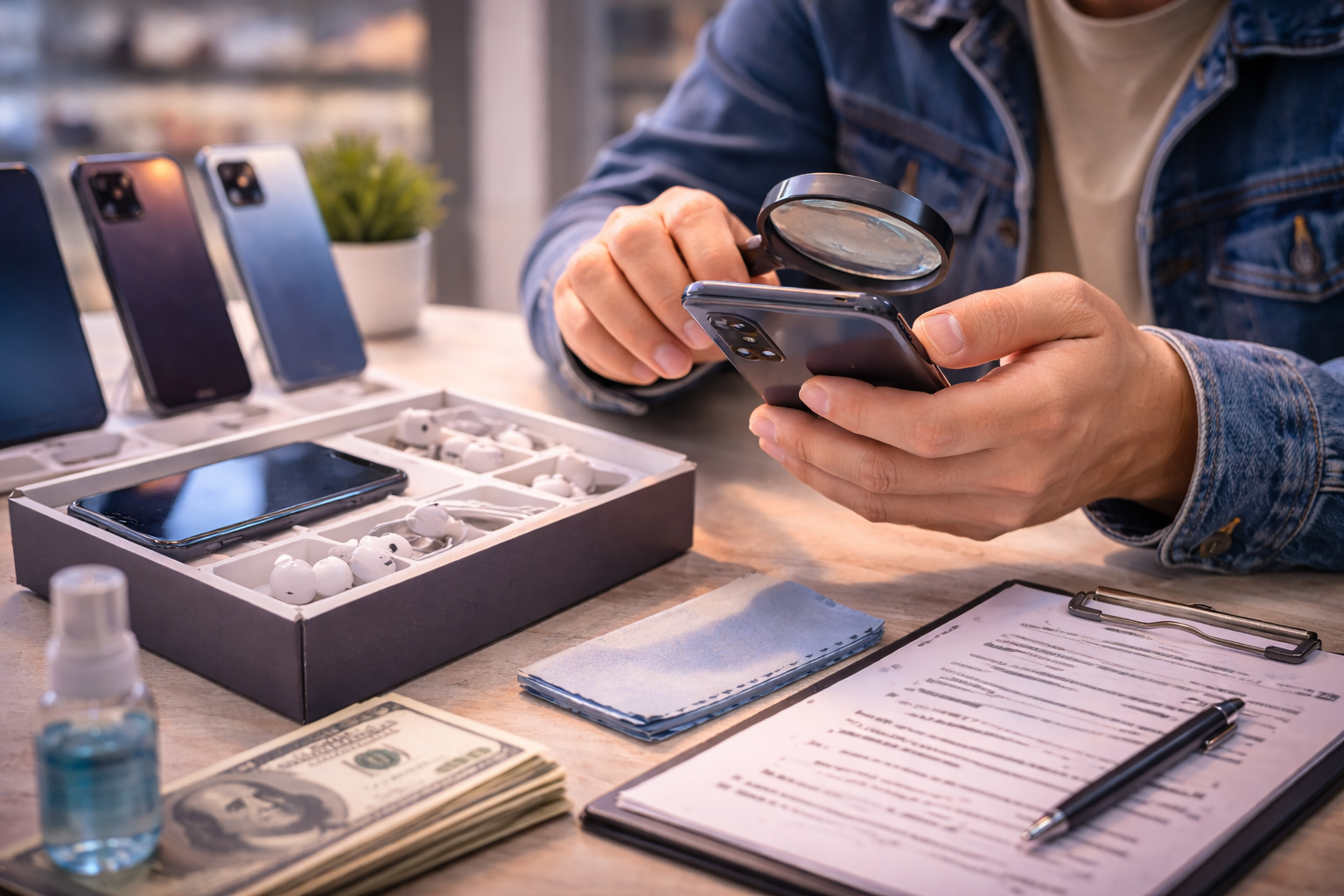



Is buying a used smartphone safe? This complete guide explains the risks, benefits, and smart checks every budget-conscious buyer should know before purchasing a pre-owned phone.
Why People Choose Used Smartphones
Before asking is buying a used smartphone safe, it helps to understand why people consider it in the first place.
Cost Savings
The biggest advantage is obvious:
Lower price.
A flagship phone from last year can drop:
- 30% within 6 months
- 50% within 1–2 years
For budget-conscious buyers, this makes premium features affordable.
Access to Flagship Features
Buying used can give you:
- Better cameras
- Faster processors
- Premium build quality
- Longer software support
Instead of buying a brand-new budget phone, you could buy a slightly older flagship.
For example, devices from Apple and Samsung often retain strong performance for years.
Sustainability Benefits
Buying used reduces:
- Electronic waste
- Manufacturing demand
- Environmental impact
According to research from United Nations Environment Programme, electronic waste is growing rapidly worldwide.
Extending a phone’s lifespan helps reduce that footprint.
The Real Risks of Buying Used
Now let’s address the core concern:
Is buying a used smartphone safe?
It can be — but you must understand the risks.
Stolen or Blacklisted Phones
One major risk is purchasing a stolen device.
If the phone is:
- Reported stolen
- Blacklisted by a carrier
- Linked to unpaid contracts
It may become unusable.
Always check the IMEI number before buying.
Battery Health Issues
Lithium-ion batteries degrade over time.
A 2-year-old phone may have:
- 80% battery health
- Reduced screen-on time
- Faster drain
Replacing a battery adds extra cost.
Hidden Hardware Damage
Used phones may have:
- Screen burn-in
- Water damage
- Internal component wear
- Repaired but weakened parts
External appearance doesn’t always reveal internal problems.
Where to Buy Safely
Where you buy matters more than the phone itself.
Certified Refurbished Stores
Certified refurbished devices are:
- Inspected
- Repaired (if needed)
- Tested
- Often sold with limited warranty
Manufacturers like Apple offer certified refurbished options directly.
These are generally safer than private sellers.
Online Marketplaces
Platforms like:
- eBay
- Amazon
Can offer good deals — but risk varies by seller.
Look for:
- High ratings
- Verified reviews
- Return policy
- Buyer protection
Carrier Trade-In Programs
Some carriers resell trade-in devices after inspection.
These may offer:
- Basic warranty
- Quality checks
- Return window
Safer than peer-to-peer sales.
What to Check Before Buying
If you’re still wondering is buying a used smartphone safe, this checklist is essential.
1. Verify the IMEI
Ask the seller for the IMEI number.
Check it through:
- Carrier databases
- Online IMEI verification tools
Make sure the phone is not blacklisted.
2. Check Battery Health
On iPhones:
- Go to Settings → Battery → Battery Health
On Android:
- Use diagnostic apps
- Check manufacturer tools
Anything below 85% may require replacement soon.
3. Inspect Physical Condition
Look for:
- Screen scratches
- Dead pixels
- Camera lens damage
- Charging port wear
- Loose buttons
Test:
- Wi-Fi
- Bluetooth
- Cellular connection
- Speakers
- Microphone
4. Confirm Reset and Account Removal
Ensure:
- Factory reset completed
- iCloud removed (for Apple)
- Google account removed (for Android)
Otherwise, activation lock may prevent usage.
Used vs Refurbished: What’s the Difference?
Understanding this helps answer is buying a used smartphone safe more accurately.
Used
- Sold as-is
- No inspection guarantee
- Usually no warranty
Higher risk.
Lower price.
Refurbished
- Professionally inspected
- Defective parts replaced
- Cleaned and tested
- Often includes limited warranty
Lower risk.
Slightly higher price.
For budget-conscious buyers, refurbished often offers better peace of mind.
When Buying Used Makes Sense
Buying used is smart if:
- You want flagship features at midrange price
- You buy from trusted source
- You inspect thoroughly
- You accept minor cosmetic wear
It may not be ideal if:
- You need long software support
- You want perfect battery health
- You dislike risk
Frequently Asked Questions (FAQ)
1. Is buying a used smartphone safe overall?
Yes, if you verify IMEI, battery health, and buy from reputable sellers.
2. Is refurbished safer than used?
Yes. Refurbished devices are inspected and often include warranty.
3. How much can I save buying used?
Typically 30%–60% compared to retail price.
4. How long will a used phone last?
Depends on age and condition. A 1-year-old flagship can last several more years.
5. Is battery replacement expensive?
Costs vary, but factor it into total purchase price.
6. Should I buy from a private seller?
Only if you can inspect the device and verify IMEI safely.
Final Recommendation: Is Buying a Used Smartphone Safe?
If you’re asking:
Is buying a used smartphone safe?
The honest answer is:
👉 It can be safe — if you buy smart.
For budget-conscious buyers:
- Certified refurbished = safest balance
- Verified IMEI = essential
- Battery health check = critical
- Trusted seller = non-negotiable
Buying used is not risky by default.
It’s risky when done carelessly.
Do your checks.
Understand trade-offs.
Factor in hidden costs.
And you can enjoy flagship performance — without flagship prices. 🚀
All Rights Reserved © 2026