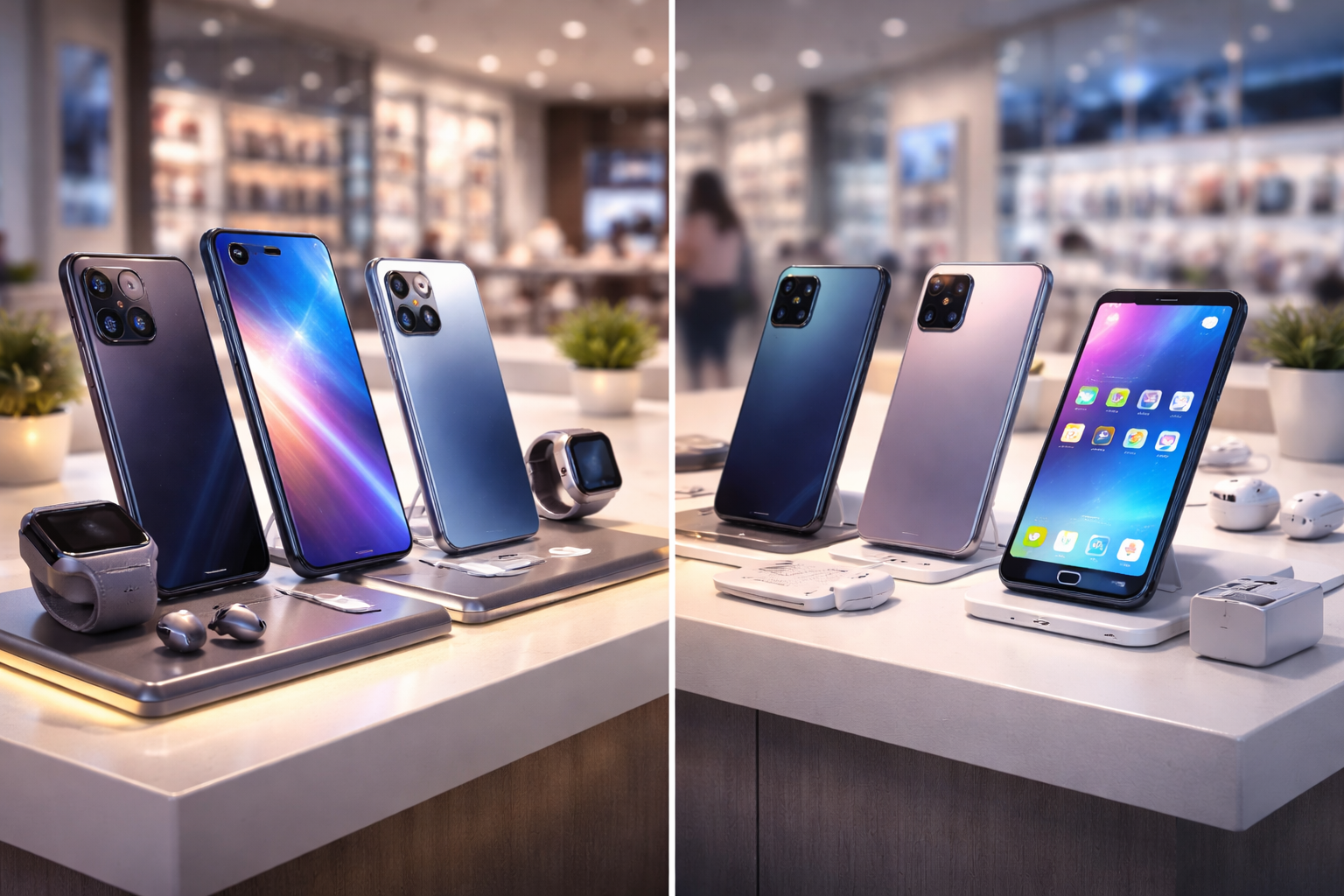



Are expensive smartphones worth it? This detailed guide helps high-ticket buyers decide if premium phones justify their price based on performance, camera, longevity, and real-world value.
What Counts as an Expensive Smartphone?
Before answering are expensive smartphones worth it, we need to define what “expensive” means.
In 2026 pricing terms:
- $300–$500 → Budget/Midrange
- $500–$800 → Upper Midrange
- $900–$1,300+ → Flagship
- $1,500+ → Ultra-Premium / Foldables
Phones from Apple, Samsung, and Google dominate this high-end space.
These models promise the “best of everything.”
But is that best necessary?
What You Actually Get at the High End
Expensive smartphones aren’t expensive for no reason.
Let’s examine what you’re paying for.
Top-Tier Processors
Flagships include:
- Latest-generation chipsets
- Faster GPU performance
- Better AI processing
- More efficient battery management
This improves:
- Gaming performance
- Video editing
- Long-term speed stability
But for basic users, this power may go unused.
Advanced Camera Systems
High-end phones offer:
- Larger sensors
- Better low-light performance
- Dedicated telephoto lenses
- Advanced computational photography
Camera improvements are one of the biggest justifications for expensive phones.
If photography matters to you, this can be worth it.
Premium Build Quality
Flagships often include:
- Metal frames
- Gorilla Glass protection
- IP68 water resistance
- Higher brightness displays
These improve durability and daily feel.
But midrange phones have narrowed the gap significantly.
Performance: Do You Actually Feel It?
Now let’s address the core hesitation:
Are expensive smartphones worth it for performance alone?
Everyday Use
For:
- Social media
- Messaging
- Browsing
- Streaming
A midrange phone feels nearly identical to a flagship.
Performance differences are minimal in light tasks.
Gaming & Heavy Tasks
However, for:
- Competitive mobile gaming
- 4K video editing
- Heavy multitasking
Flagships offer noticeable advantages.
Chips from Qualcomm and Apple’s latest processors outperform midrange alternatives significantly under load.
If you’re a power user, you’ll notice the difference.
If you’re not, you won’t.
Camera Comparison: Flagship vs Midrange
Cameras are often the main reason people upgrade.
Low-Light Performance
Flagships excel in:
- Night photography
- Dynamic range
- Noise reduction
Midrange phones perform well in daylight but struggle more in challenging conditions.
Video Capabilities
High-end phones offer:
- Better stabilization
- Higher bitrate recording
- Cinematic modes
- Longer recording stability
If video matters to you — expensive phones justify themselves more easily.
Longevity & Software Updates
Long-term value is where expensive phones often shine.
Update Policies
Premium brands typically offer:
- 4–7 years of updates
- Longer security support
That extends lifespan significantly.
Resale Value
Expensive smartphones retain resale value better.
For example:
- iPhones often maintain strong second-hand value.
- Samsung flagships hold value better than budget models.
Over time, this reduces real ownership cost.
According to resale data trends reported by Statista, flagship phones depreciate more slowly than budget devices.
That matters.
The Psychology of Premium Purchases
Let’s address the emotional side.
Status Symbol Factor
Expensive phones often signal:
- Success
- Tech-savviness
- Premium lifestyle
That psychological benefit may matter to some buyers.
Fear of Missing Out
Many upgrades are driven by:
- Marketing hype
- Influencer reviews
- Peer pressure
But fear is not a rational purchasing strategy.
Ask yourself:
Do I need it?
Or do I want the newest thing?
When Expensive Smartphones Make Sense
Expensive phones are worth it if:
- You prioritize camera quality
- You game heavily
- You keep phones 4–5 years
- You value long software support
- You care about premium build quality
For these users, the investment makes sense.
When They Don’t
Expensive phones are NOT worth it if:
- You mainly use social media and messaging
- You upgrade every 2 years anyway
- You don’t care about camera quality
- You’re stretching your budget
A $600 phone may give you 90% of the experience for half the price.
Frequently Asked Questions (FAQ)
1. Are expensive smartphones worth it long-term?
Yes, if you keep them 4–5 years.
2. Is the camera difference noticeable?
In low light and video — yes. In daylight — less so.
3. Do expensive phones last longer?
Generally yes, due to better components and longer software support.
4. Is it smarter to buy last year’s flagship?
Often yes. It offers premium features at lower cost.
5. Do expensive phones hold resale value better?
Yes, especially premium brands.
6. Should I buy flagship on credit?
Avoid stretching finances. Tech depreciates quickly.
Final Verdict: Are Expensive Smartphones Worth It?
So let’s answer clearly:
Are expensive smartphones worth it?
👉 For power users and long-term buyers — yes.
👉 For average users — often no.
If you:
- Keep phones longer
- Value camera excellence
- Want top performance
- Appreciate premium materials
The investment makes sense.
But if your daily use is simple?
A strong midrange phone delivers incredible value.
The smartest decision isn’t buying the most expensive phone.
It’s buying the right phone for your actual needs.
That’s how you eliminate hesitation — and upgrade with confidence. 🚀
All Rights Reserved © 2026