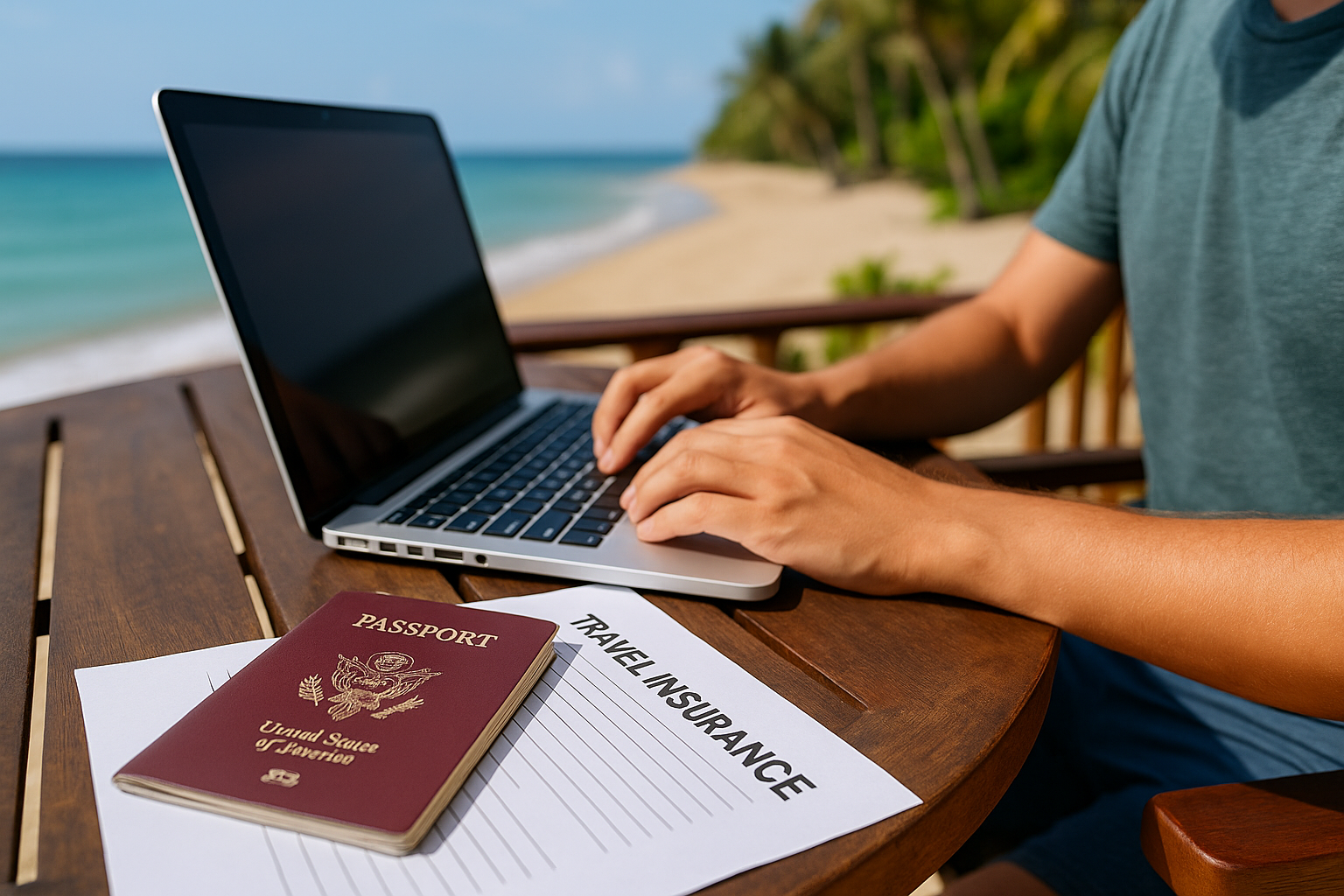



Travel insurance for digital nomads is no longer optional in 2025 — it’s essential.
As more professionals embrace the freedom of remote work, countries are rolling out digital nomad visas and co-working culture is thriving. Whether you’re working from a beach hut in Bali, a café in Lisbon, or a cabin in the Andes, one thing remains constant: the need to stay protected abroad.
But with great freedom comes great responsibility — and one of the biggest responsibilities is protecting your health, safety, and gear while living abroad. That’s where travel insurance for digital nomads becomes essential.
Travel Essentials & Remote Work
- Best Digital Nomad Cities 2026 (Budget-Friendly, Safe & Fast WiFi)
- Top Digital Nomad Cities to Live in 2026
- Best Cities for Digital Nomads in 2026 (Budget Edition): 17 Affordable, Internet-Ready Places to Live & Work
- Best Premium Cities for Digital Nomads in 2026 (Premium / Comfort Edition): Where High Performance Meets High Quality of Life
- Cheapest Digital Nomad-Friendly Countries in 2026: 17 Incredible Places to Live Well on a Budget
- Best Countries for Remote Workers in 2026 (Visas + Internet): 19 Top Destinations for Fast Wi-Fi & Easy Legal Stays
- How Much Does Digital Nomad Life Really Cost? (17 Shocking Truths About the Digital Nomad Cost of Living)
- Digital Nomad Packing List for 2026: 27 Essential Categories to Travel Smart, Light, and Stress-Free
- Best Travel Insurance for Digital Nomads 2026
- Digital Nomad Freedom Myths: What Digital Nomads Get Wrong About Freedom
- Best Countries for Expats in 2026 (Easy Settling): 21 Proven Destinations Where Life Abroad Feels Simple
- 10 Best Countries to Move to in 2026 (Visas + Cost-of-Living Guide)
Whether you’re a first-time remote worker or a seasoned global traveler, this guide covers everything you need to know about choosing the right travel insurance in 2025.
🌐 Why Travel Insurance for Digital Nomads Is Essential in 2025
Unlike traditional tourists, digital nomads stay longer, travel more frequently, and often visit destinations where healthcare may not be readily accessible. A simple medical emergency or flight cancellation can become a financial nightmare without proper coverage.
Some reasons digital nomads absolutely need travel insurance:
- Unpredictable travel schedules
- Remote destinations with limited medical care
- Long-term stays without access to national healthcare systems
- Expensive electronics (laptops, phones, etc.) vital for work
- Rising global healthcare and evacuation costs
🔎 What to Look for in Travel Insurance for Digital Nomads
✅ 1. Global Medical Coverage (Including Your Home Country)
The best travel insurance for digital nomads includes global medical coverage and may offer limited home country benefits for visits or emergencies. If you plan to travel between continents or return home occasionally, this is a must.
✅ 2. High Medical Limits & Emergency Coverage
Always look for at least $100,000 to $500,000 in emergency coverage. This should include:
- Inpatient and outpatient services
- Emergency surgery
- Ambulance and medevac services
- Emergency dental work
External Resource: CDC: Healthcare Abroad
✅ 3. COVID-19 and Pandemic Coverage
Pandemic clauses are no longer optional. Your plan should clearly state it covers treatment, testing, and emergency evacuation in the event of COVID-19 or future outbreaks.
✅ 4. Trip Cancellation & Interruption
Look for reimbursement on non-refundable costs if your trip is canceled due to:
- Natural disasters
- Political unrest
- Illness or injury
- Family emergencies
✅ 5. Electronics & Gear Coverage
Your laptop isn’t just a gadget — it’s your livelihood. Ensure your plan covers theft, loss, or damage of:
- Laptops
- Smartphones
- Cameras
- External hard drives
Some plans let you add riders for expensive gear.
✅ 6. Telehealth & Mental Health Services
Living abroad can be isolating. Choose a provider that offers telemedicine and online therapy sessions. Mental wellness is just as important as physical health.
🛠️ Types of Travel Insurance Plans for Nomads (2025 Edition)
| Plan Type | Best For | Key Features |
|---|---|---|
| Global Health Plans | Expats and slow travelers | High annual limits, direct billing, family cover |
| Nomad-Focused Insurance | Frequent travelers, freelancers | Monthly renewals, gear protection, global reach |
| Short-Term Backpacker Plans | Budget-conscious nomads | Basic coverage, low premiums, fewer extras |
| Premium Worldwide Policies | Digital nomad families | Maternity, dental, advanced evacuation coverage |
🌍 Real-Life Situations Where Nomad Insurance Matters
- Fractured ankle while hiking in Peru? $2,000+ in local treatment costs.
- Stolen laptop in a coworking space in Vietnam? $1,500 lost — unless you’re covered.
- Appendicitis while on a ferry in Croatia? That medevac alone could cost $10,000+.
External Resources for Travelers
Final Thoughts: Travel Far, Stay Protected
Investing in the right travel insurance for digital nomads in 2025 isn’t just a smart decision — it’s a necessary one. With the right policy, you can focus on exploring new countries, building your remote career, and living life on your terms — without fear of financial setbacks from medical or travel mishaps.
So before you book that next one-way ticket, take 20 minutes to choose the policy that fits your lifestyle. Your health and peace of mind are worth it.
All Rights Reserved © 2026