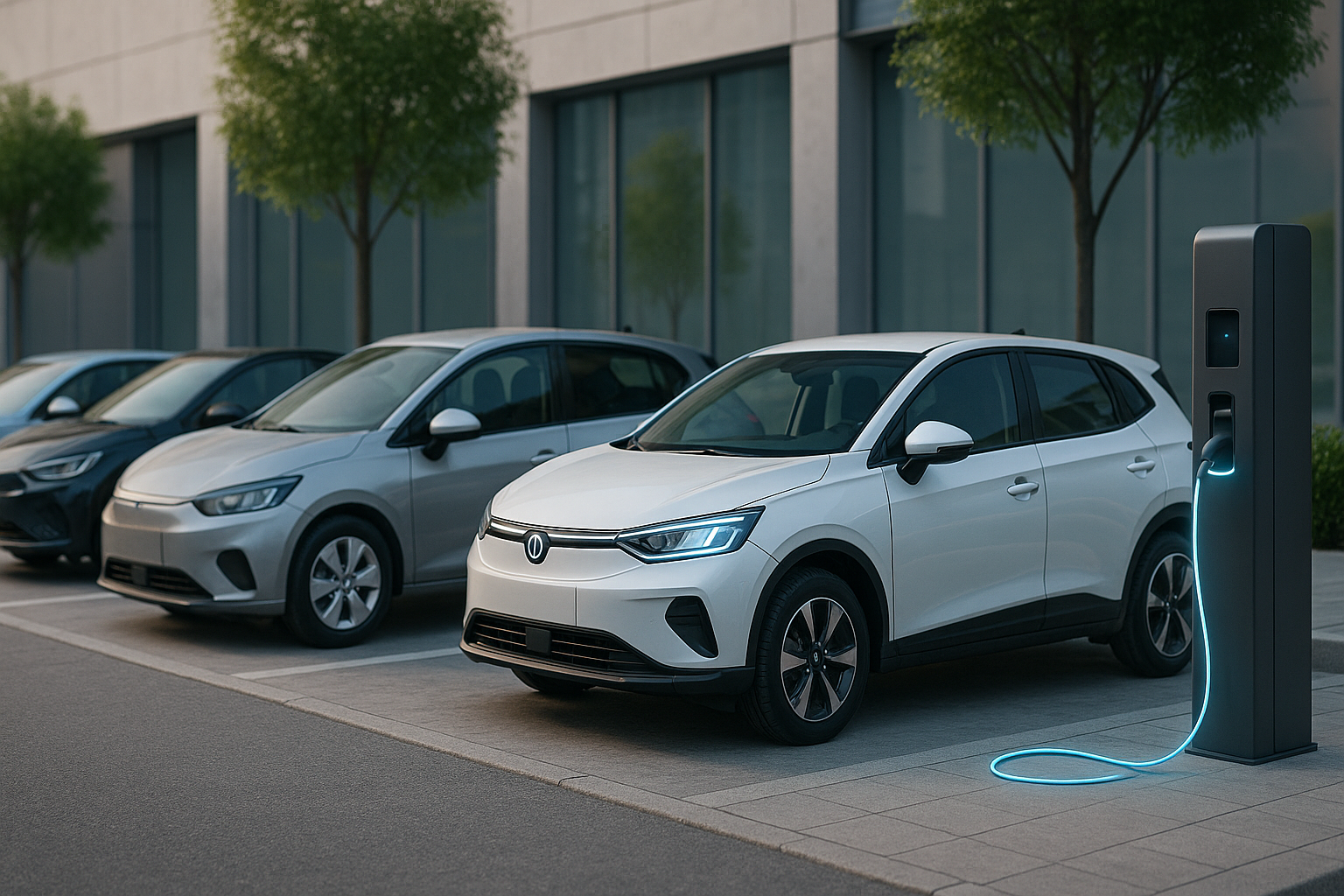



Affordable Electric Cars Under $30k in 2025 are shaping the automotive industry in ways we couldn’t have imagined a decade ago.
Once considered a luxury for the wealthy, electric vehicles (EVs) are now becoming mainstream thanks to falling battery prices, government incentives, and growing consumer demand for eco-friendly transportation. In 2025, buyers with a budget of under $30,000 will have more choices than ever before, from compact hatchbacks to tech-packed crossovers.
This guide provides a comprehensive breakdown of the best affordable electric cars under $30k in 2025, helping you compare specs, features, and benefits so you can make the right choice.
Why Affordable Electric Cars Under $30k in 2025 Are Game-Changers
The rise of affordable EVs is not just a trend—it’s a revolution. In the past, entry-level electric cars often came with compromises in range, speed, and technology. Fast forward to 2025, and many sub-$30k EVs now offer respectable ranges of 200–300 miles, fast-charging capabilities, and modern infotainment systems.
For budget-conscious drivers, this is the year when owning an electric car finally makes financial sense. Not only do these vehicles cut fuel costs dramatically, but they also benefit from government rebates and require less maintenance than traditional gas-powered cars.
- The Complete Car Buying Guide in 2026: How to Choose the Right Car for Your Budget, Lifestyle, and Driving Needs
- Best Electric Cars for City Commuters in 2026: 12 Smart, Affordable EVs for Urban Life
- Hybrid vs Electric: Which Should You Buy in 2026? 13 Amazing Insights Every Driver Should Know
- Most Fuel-Efficient Cars in 2026 (Hybrid, Plug-In, EV)
Learn More from Trusted EV Sources
For official EV rebate details, check the U.S. Department of Energy EV Rebate List. For reviews and road tests of the latest electric vehicles, visit Edmunds EV Reviews, or explore industry updates at InsideEVs.
What to Expect From Affordable Electric Cars in 2025
The year 2025 marks a turning point for budget-friendly EVs. Automakers are finally managing to bring electric cars to the mass market without sacrificing too much in terms of quality and features. Buyers can expect improvements across multiple areas:
Improved Battery Range and Charging Speeds
New-generation lithium-ion batteries are enabling affordable EVs to travel between 220–300 miles on a single charge, a big step up from the 100–150 miles we saw a few years ago. Fast-charging networks are also expanding, allowing drivers to charge up to 80% in less than 30 minutes.
Federal and State EV Incentives That Lower Costs
Government rebates and tax credits can reduce the effective price of EVs below $25,000 in some cases. Programs like the U.S. federal EV tax credit and state-level incentives (California, New York, Colorado, etc.) make these vehicles even more appealing.
Compact vs. Mid-Size EVs in the Budget Category
While most affordable EVs under $30k are compact hatchbacks or crossovers, 2025 will see more entry-level SUVs and sedans making their way into the sub-$30k market. This widens options for families who want more space without breaking the bank.
Top 10 Affordable Electric Cars Under $30k in 2025
Here’s a roundup of the best EVs under $30,000 in 2025 that combine affordability with solid performance:
1. Chevrolet Bolt EV 2025 – Compact and Reliable
- Range: 259 miles
- Price: Starting at $26,500
- Known for reliability and affordability, the Chevy Bolt continues to be one of the most practical EVs for daily commuters.
2. Nissan Leaf 2025 – The Pioneer Still Going Strong
- Range: 212 miles
- Price: Around $28,000
- The Leaf remains a staple in the budget EV category with updated battery tech and advanced driver-assistance features.
3. Hyundai Kona Electric 2025 – Stylish and Efficient
- Range: 258 miles
- Price: $29,500
- A sleek crossover with solid range, user-friendly infotainment, and affordable ownership costs.
4. Kia Soul EV 2025 – Practical with Quirky Design
- Range: 243 miles
- Price: $28,200
- A funky yet practical city car that offers roomy interiors and modern tech.
5. BYD Dolphin – China’s Affordable EV Coming to the US
- Range: 265 miles
- Price: Estimated $25,000
- BYD, the world’s largest EV maker, plans to enter the U.S. with the Dolphin, a stylish hatchback offering great value.
6. Tesla Model 2 (Expected) – Tesla’s Entry-Level EV
- Range: 250 miles (expected)
- Price: Estimated $29,000
- If launched in 2025, Tesla’s Model 2 could dominate the budget EV space with Tesla’s signature software and supercharging network.
7. Volkswagen ID.2all – Europe’s Budget-Friendly Hatchback
- Range: 280 miles
- Price: Expected $28,500
- A small hatchback designed for affordability and efficiency, targeting global markets including the U.S.
8. MG4 EV – Affordable Global Contender
- Range: 270 miles
- Price: $27,800
- Popular in Europe and Asia, the MG4 offers impressive range and sporty handling.
9. Mini Cooper SE 2025 – Premium Feel, Affordable Price
- Range: 220 miles
- Price: Around $29,500
- Compact yet premium, this EV offers a fun driving experience with a stylish design.
10. Fisker Pear – Tech-Packed EV Under $30k
- Range: 250 miles
- Price: Estimated $29,900
- Fisker promises a futuristic EV with smart features at an affordable price point.
Comparing Affordable Electric Cars Under $30k in 2025
To make the buying decision easier, let’s compare the key features of these top EVs.
| Model | Range (Miles) | Starting Price |
|---|---|---|
| Chevrolet Bolt EV 2025 | 259 | $26,500 |
| Nissan Leaf 2025 | 212 | $28,000 |
| Hyundai Kona Electric 2025 | 258 | $29,500 |
| Kia Soul EV 2025 | 243 | $28,200 |
| BYD Dolphin | 265 | $25,000 |
| Tesla Model 2 (Expected) | 250 | $29,000 |
| Volkswagen ID.2all | 280 | $28,500 |
| MG4 EV | 270 | $27,800 |
| Mini Cooper SE 2025 | 220 | $29,500 |
| Fisker Pear | 250 | $29,900 |
Charging Time and Network Availability
- Tesla Model 2 will benefit from Tesla’s supercharging network.
- Hyundai Kona Electric and Kia Soul EV support fast charging up to 100 kW.
- Chevy Bolt charges slower compared to rivals, but remains reliable for city commutes.
Interior Features and Technology
Expect touchscreen infotainment systems, Apple CarPlay, Android Auto, and increasingly advanced driver-assistance features like lane-keeping assist and adaptive cruise control.
Safety Ratings and Reliability
Brands like Hyundai, Kia, and Tesla lead in advanced safety features, while Chevrolet and Nissan offer proven long-term reliability.
Benefits of Choosing Affordable Electric Cars Under $30k in 2025
Lower Ownership Costs
EVs have fewer moving parts, meaning lower maintenance costs. No oil changes, fewer brake repairs, and reduced fueling expenses.
Reduced Environmental Footprint
Affordable EVs allow more people to transition away from fossil fuels, contributing to cleaner air and lower carbon emissions.
Access to EV-Only Perks
Many regions offer carpool lane access, reduced tolls, and even lower insurance premiums for EV owners.
Challenges of Affordable EVs in 2025
Limited Range in Entry-Level Models
While ranges are improving, some sub-$30k EVs still fall short compared to premium models.
Availability and Supply Chain Issues
Global demand for EVs means supply shortages may limit availability in some regions.
Charging Infrastructure Concerns
Although improving, rural areas may still lack robust EV charging networks.
Best Financing and Leasing Options in 2025
Federal Tax Credits Explained
Eligible EVs under $30k can qualify for up to $7,500 in federal tax credits (check U.S. DOE Fuel Economy site
All Rights Reserved © 2026