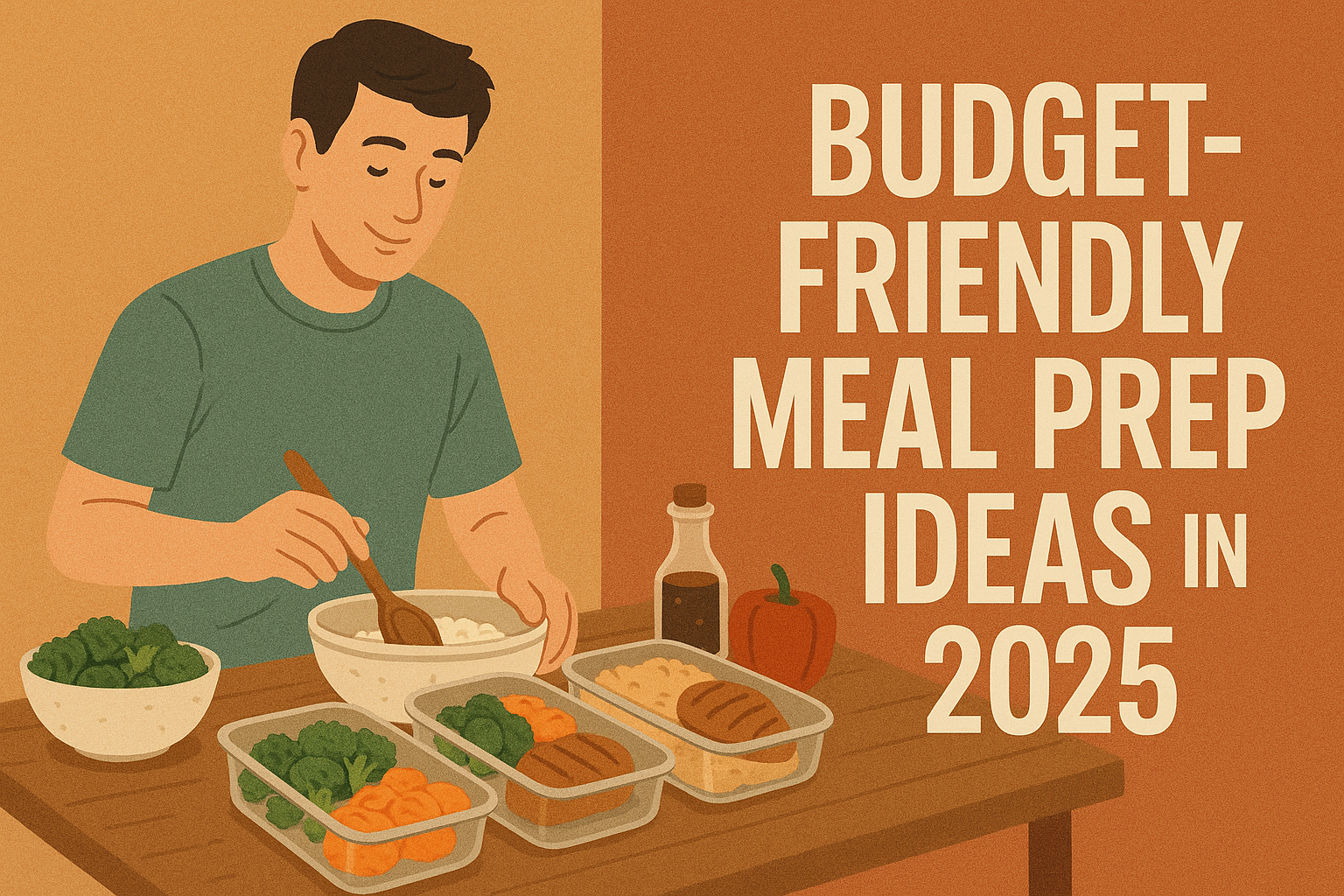



Budget Friendly Meal Prep Ideas in 2025: Eat Healthy and Save Money
The budget friendly meal prep ideas in 2025 reflect a growing demand for affordable, nutritious, and time-saving food solutions. With rising grocery prices and busier lifestyles, meal prepping has become a practical strategy for saving money while maintaining healthy eating habits.
This guide provides affordable meal prep ideas for breakfast, lunch, dinner, and snacks, along with shopping tips, storage advice, and weekly schedules to simplify your life.
Introduction: Why Budget Friendly Meal Prep Ideas in 2025 Matter
In 2025, inflation and lifestyle demands make it harder for families and individuals to eat healthily on a budget. Meal prepping offers a solution—combining financial savings, portion control, and reduced food waste.
Whether you’re a college student, a busy professional, or a parent, these budget friendly meal prep ideas in 2025 will help you save time and money without sacrificing flavor or nutrition.
Learn More from Trusted Food & Health Sources
For healthy, affordable recipe ideas, explore the EatingWell Meal Prep Recipes. For nutrition guidance on balancing meals, visit the U.S. Department of Agriculture – MyPlate, or check affordable meal planning strategies at Budget Bytes Meal Prep Hub.
Benefits of Meal Prepping on a Budget
Saving Money on Groceries
Prepping reduces impulse buys and helps you buy in bulk, cutting costs significantly.
Healthier Eating Habits
Planned meals are more balanced than last-minute fast food choices.
Reducing Food Waste
Pre-portioning ensures ingredients are used efficiently.
Smart Grocery Shopping for 2025
Seasonal and Local Produce
Buying seasonal fruits and vegetables lowers costs while supporting local farmers.
Bulk Buying and Wholesale Shopping
Dry staples like rice, beans, and oats are cheaper when purchased in bulk.
Using Grocery Apps and Digital Coupons
AI-powered shopping apps in 2025 help compare prices, track discounts, and reduce overspending.
Budget Friendly Meal Prep Ideas in 2025: Breakfast
Overnight Oats with Seasonal Fruits
Customizable, affordable, and packed with fiber and protein.
Veggie-Packed Egg Muffins
Cook once, enjoy all week—perfect for a protein-rich breakfast.
Smoothie Prep Bags
Freeze fruit and greens in portions; blend in minutes for quick nutrition.
Budget Friendly Meal Prep Ideas in 2025: Lunch
Grain Bowls with Beans and Veggies
Affordable staples like rice and quinoa form the base of healthy bowls.
Mason Jar Salads
Layered salads stay fresh for days when stored properly.
Lentil and Chickpea Curries
Plant-based proteins are cheaper than meat and packed with nutrients.
Budget Friendly Meal Prep Ideas in 2025: Dinner
Sheet Pan Dinners
Minimal prep, easy cleanup, and budget-friendly combinations of chicken, potatoes, and veggies.
Slow Cooker Chili and Soups
Batch-cooking large portions saves money and provides freezer-friendly meals.
Pasta and Stir-Fry Variations
Affordable, versatile, and great for mixing different flavors weekly.
Snacks and On-the-Go Meal Prep
Energy Bites and Protein Bars
Homemade versions are cheaper and healthier than store-bought.
Pre-Portioned Nuts and Fruits
Buying bulk nuts and fruits reduces costs for healthy snacking.
Yogurt Parfaits
Mix yogurt with fruit and granola for a balanced, budget-friendly snack.
Meal Prep Containers and Storage Tips
Glass vs. Plastic Storage
Glass is durable and safer for reheating, while BPA-free plastic is lighter and cheaper.
Freezer-Friendly Meal Prep
Label containers with dates to avoid waste and extend shelf life.
Weekly Meal Prep Schedule for 2025
Planning a 3-Day vs. 7-Day Prep
Choose shorter prep cycles for freshness, longer cycles for convenience.
Rotating Menus for Variety
Rotate proteins, grains, and vegetables weekly to avoid burnout.
Common Mistakes to Avoid in Budget Meal Prep
Overbuying Ingredients
Stick to a grocery list to avoid waste.
Lack of Meal Variety
Plan rotating menus to prevent boredom.
Not Accounting for Leftovers
Factor leftovers into your weekly plan to save money.
FAQs: Budget Friendly Meal Prep Ideas in 2025
Q1: Is meal prepping really cheaper than cooking daily?
Yes, because it reduces waste and prevents unnecessary spending.
Q2: Can meal prepping help with weight loss?
Absolutely—portion control helps regulate calorie intake.
Q3: How long can meal prep last in the fridge?
Typically 3–5 days depending on ingredients.
Q4: Are plant-based meals cheaper to prep?
Yes, beans, lentils, and vegetables are more affordable than meat.
Q5: What’s the best meal prep container?
Glass containers for reheating, BPA-free plastic for portability.
Q6: Can I meal prep on a very tight budget?
Yes, focus on bulk staples like rice, oats, beans, and seasonal produce.
Conclusion: Building Affordable and Healthy Routines in 2025
The budget friendly meal prep ideas in 2025 prove that eating healthy doesn’t have to be expensive. By focusing on smart shopping, versatile recipes, and efficient storage, you can save money while enjoying balanced meals every day.
Meal prep is more than just a food strategy—it’s a lifestyle that combines health, convenience, and financial freedom. Start small, stay consistent, and watch how these simple habits transform your 2025 routine.
All Rights Reserved © 2026