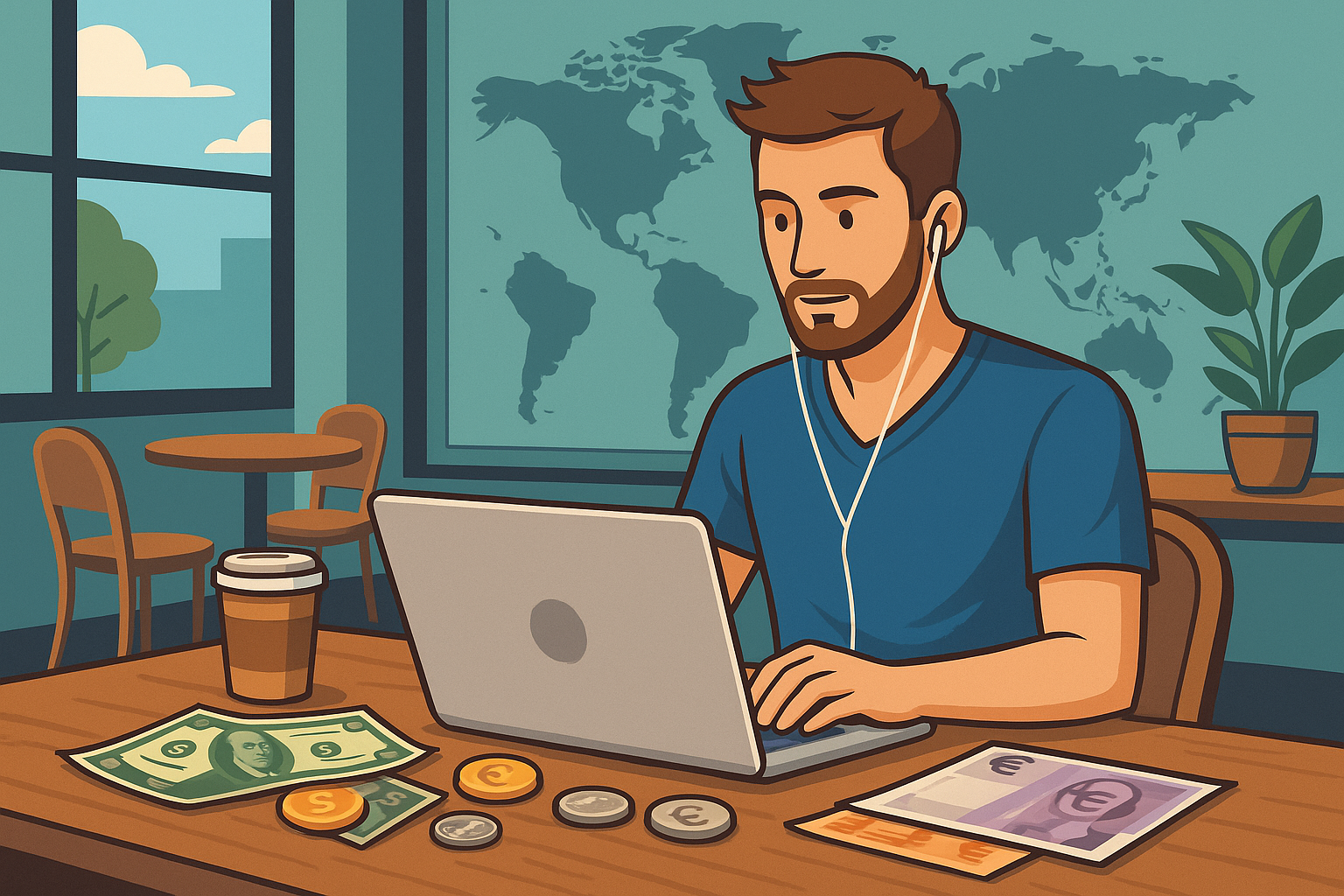



Introduction to Financial Challenges for Digital Nomads
Living and working from anywhere in the world sounds like a dream, but it comes with unique money-related pitfalls. Digital nomads, more than anyone, need to be vigilant about their finances. Without a solid plan, even seasoned travelers can fall into traps that lead to unnecessary stress or even financial disaster.
In this article, we’ll break down the financial mistakes digital nomads make most often, why these happen, and how you can avoid them. Whether you’re just starting out or have been on the road for years, these insights will help you keep your money safe, your future secure, and your journey smooth.
What Are the Most Common Financial Mistakes Digital Nomads Make?
While the digital nomad lifestyle offers flexibility and excitement, it also brings a unique set of money challenges. Let’s dive into the top mistakes—and how to dodge them.
1. Ignoring Currency Fluctuations
When you’re paid in one currency but spend in another, exchange rates can make a huge difference. Many digital nomads forget to factor in currency swings, leading to surprise losses or tighter budgets.
How to avoid:
- Track currency rates regularly with apps like XE or Revolut.
- Use multi-currency bank accounts or cards to minimize conversion fees.
- Consider keeping some savings in your “spending currency” to hedge against volatility.
2. Not Budgeting for Healthcare Abroad
It’s easy to assume travel insurance is enough, but coverage varies. Many digital nomads underestimate the cost of healthcare, from doctor visits to emergencies. One accident can quickly drain your savings.
How to avoid:
- Research health insurance plans specifically for digital nomads, such as SafetyWing or World Nomads.
- Always read the fine print about exclusions and coverage limits.
- Budget a monthly amount for routine care, not just emergencies.
3. Underestimating Cost of Living Variations
Some cities are far more expensive than others—think Bali versus Zurich! Many nomads forget to adjust their budgets for new locations, leading to shortfalls.
How to avoid:
- Use cost-of-living calculators (like Numbeo) before moving.
- Adjust your monthly budget for each new destination.
- Track expenses daily for the first week in a new city to spot trends.
4. Failing to Track Income and Expenses
It’s tempting to assume you’re “okay” financially when payments come in. However, without regular tracking, it’s easy to overspend or miss important bills.
How to avoid:
- Use tools like YNAB, Mint, or Wave for budgeting and expense tracking.
- Set a weekly reminder to review finances.
- Separate business and personal accounts for clarity.
5. Overreliance on Credit Cards and Loans
Easy credit can be a lifesaver in emergencies—but relying on it for everyday spending racks up interest and can lead to a debt spiral.
How to avoid:
- Use credit cards for rewards or emergencies only, not daily living.
- Pay off balances in full each month.
- Build up an emergency fund to cover sudden expenses.
6. Forgetting About Taxes and Legal Obligations
Many digital nomads assume they don’t need to pay taxes if they’re moving around. This mistake can result in hefty fines or even legal trouble.
How to avoid:
- Learn about tax laws for your home country and any country where you spend significant time.
- Consult with a cross-border tax professional.
- Set aside a portion of your income for taxes every month.
7. Not Planning for Retirement or Savings
It’s easy to live in the moment as a nomad, but forgetting about the future can leave you financially insecure later on.
How to avoid:
- Open a retirement account, even if you’re self-employed.
- Set automatic monthly transfers to savings.
- Research international investment options suitable for expats.
8. Poor Emergency Planning
Natural disasters, political unrest, or medical emergencies can happen anywhere. Without a backup plan, you may face unexpected costs—or worse.
How to avoid:
- Maintain an emergency fund equal to at least three months’ expenses.
- Know the location of your country’s embassy in every destination.
- Keep digital and paper copies of essential documents.
Why Do Digital Nomads Struggle With Finances?
Lifestyle Freedom vs. Financial Discipline
The freedom of digital nomadism can make budgeting feel restrictive. Without a steady routine, it’s easy to neglect financial planning or slip into bad habits.
Complexity of Managing Money Across Borders
From currency exchange to international bank fees and tax laws, managing money globally is complex. Many nomads aren’t prepared for these intricacies when they start.
How to Avoid Financial Mistakes as a Digital Nomad
Set Up a Digital Nomad Budget
Create a flexible budget that adapts to each new country’s costs. Include income, fixed expenses, variable spending, and savings goals.
Use Smart Banking and Multi-Currency Accounts
Choose digital banks like Wise or Revolut that offer low-fee, multi-currency accounts, international transfers, and easy online management.
Find Reliable Health Insurance for Nomads
Invest in a policy designed for long-term travelers, and always check for regional coverage or limitations.
Stay Organized With Taxes and Paperwork
Maintain a digital filing system for invoices, receipts, and tax documents. Use accounting tools like QuickBooks or Xero, and set calendar reminders for deadlines.
Build an Emergency Fund
Keep this in a separate, easily accessible account. The size depends on your risk comfort, but aim for at least three months of living expenses.
Plan for Retirement and Long-Term Security
Research international investment platforms (e.g., Interactive Brokers) and consider portable retirement accounts. Regular contributions—even small ones—add up over time.
Tools and Apps Every Digital Nomad Should Use
Budgeting & Expense Tracking Apps
- YNAB (You Need A Budget)
- Mint
- Spendee
Banking & Currency Conversion Tools
- Wise (formerly TransferWise)
- Revolut
- XE Currency
Tax & Compliance Software
- Xero
- QuickBooks
- Taxumo (for certain countries)
Real-Life Stories: Learning from the Mistakes of Others
- Case Study 1: “I lost $2,000 in hidden bank fees in my first year as a nomad because I didn’t understand international charges.”
- Case Study 2: “After an accident abroad, I faced $7,000 in medical bills—my insurance didn’t cover outpatient care!”
- Case Study 3: “I was fined for failing to file taxes in my home country, even though I hadn’t been there in two years.”
Key takeaway: Learn from others, ask questions in digital nomad forums, and never assume “it won’t happen to me.”
Frequently Asked Questions (FAQs) About Financial Mistakes Digital Nomads Make
Q1: How can digital nomads manage money across different currencies?
A: Use multi-currency accounts and always check exchange rates before transferring funds. Apps like Wise and Revolut make this easy.
Q2: Are there tax benefits for digital nomads?
A: Sometimes, but tax rules vary by country. It’s best to consult a professional familiar with nomad taxation.
Q3: What’s the biggest financial mistake digital nomads make?
A: Most often, it’s underestimating how quickly expenses can add up—especially when moving frequently.
Q4: Do digital nomads need special health insurance?
A: Yes, regular travel insurance may not cover long-term stays or remote work. Look for policies for global nomads.
Q5: How much should I save for emergencies as a nomad?
A: At minimum, three months of living expenses in an account you can access anywhere.
Q6: Can I invest for retirement while traveling full-time?
A: Absolutely! Many investment platforms are global and let you contribute from anywhere. Check for any local restrictions.
Conclusion: Mastering Your Finances as a Digital Nomad
Mastering your money is just as important as finding great WiFi or new destinations. By learning about the financial mistakes digital nomads make and taking simple steps to avoid them, you’ll secure your financial future and enjoy your adventures stress-free. Remember, financial freedom is the key to real location independence!
For more tips and advice on digital nomad finances, check out resources like Nomad List and reputable expat forums.
All Rights Reserved © 2026